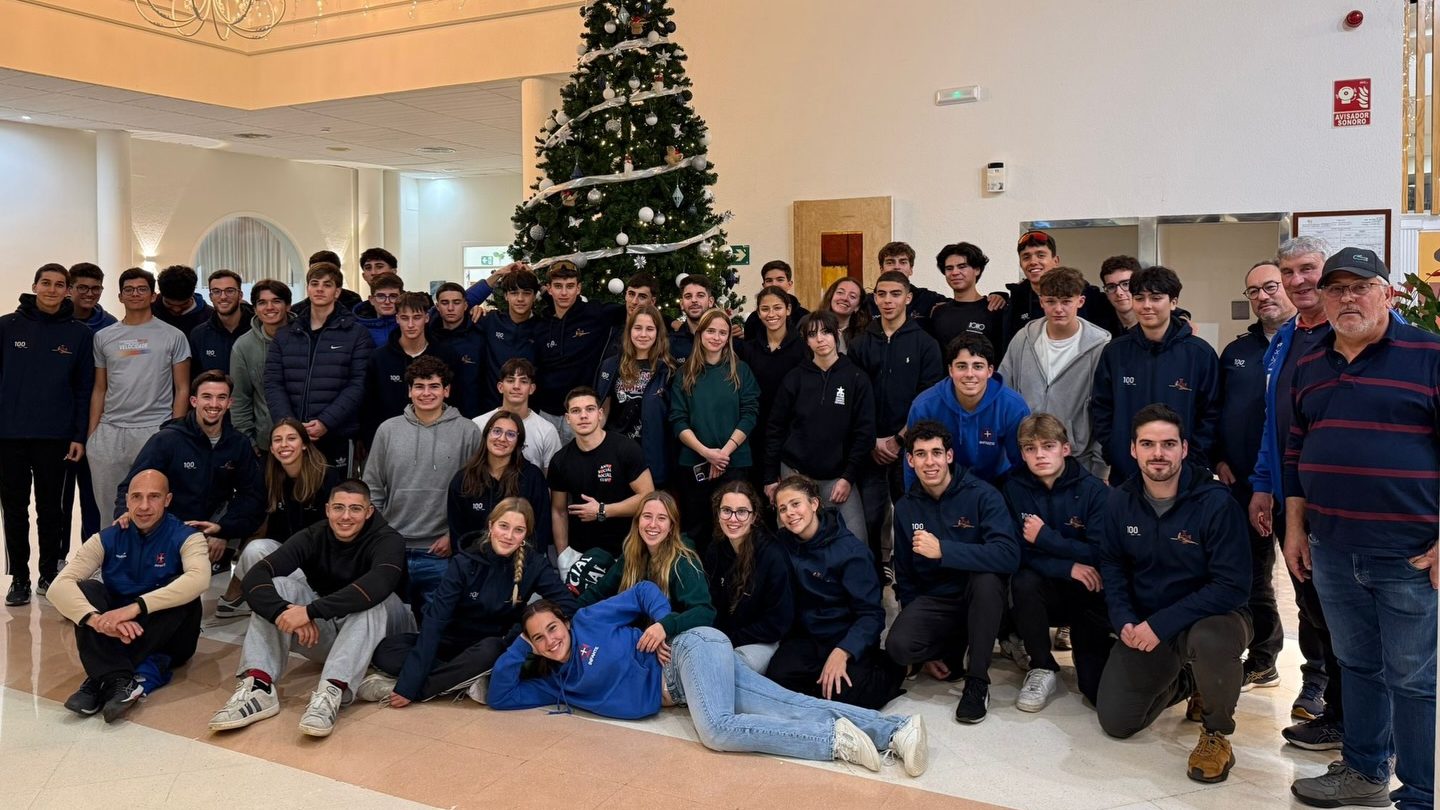
A century of rowing with a sense of identity
Founded in Valbom, Gondomar, Portugal, on 4 July 1925, INFANTE was born from the determination of a group of local residents to create an organisation connected to the river, sport, and personal development. Over the course of one hundred years, it has helped shape the territory and the community, becoming an unquestionable reference in Portuguese rowing, while never losing its deep connection to its local roots, its people, and the Douro River on whose banks it was founded.
INFANTE’s history cannot be understood without Valbom or the Douro River. Before becoming a setting for training and competition, the Douro was a source of livelihood, transport, and identity for the riverside communities. Valbom’s nautical and fishing tradition, shaped by the valboeiro boats, life in Ribeira de Abade, and a close relationship with the water, created the perfect context for the emergence of an organisation like INFANTE. The Club was therefore born not as an isolated reality, but as a natural extension of local culture, Valbom’s tradition of community association, and Gondomar’s nautical vocation.
1. The foundation: from a local dream to a lasting legacy
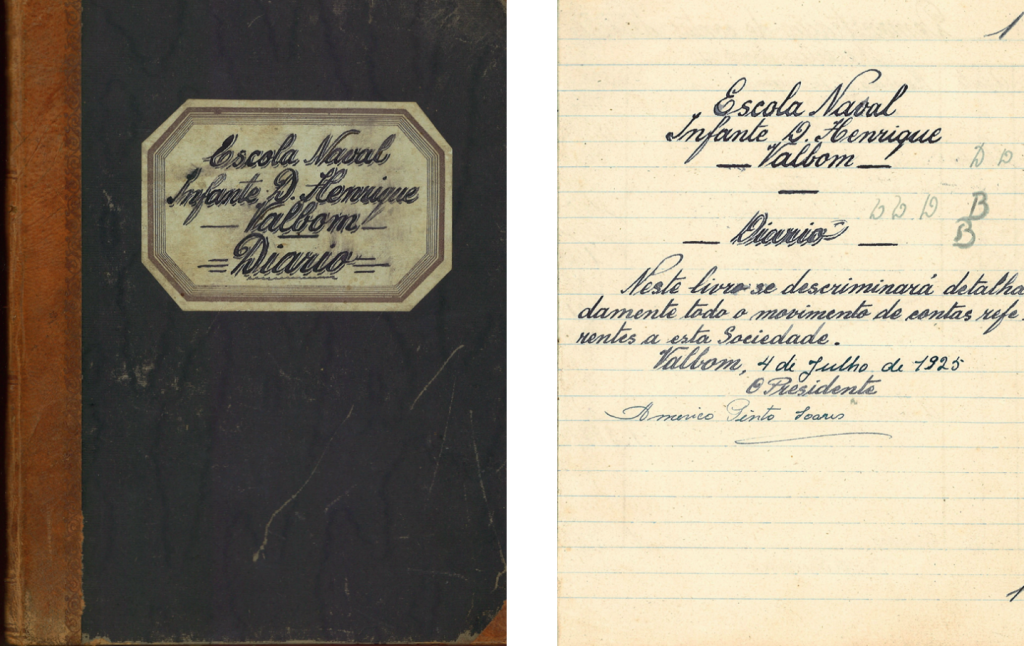
Historical documentation confirms 4 July 1925 as the founding date of the club, initially under the name Escola Naval (Naval School) Infante D. Henrique. The first governing bodies and official entities later formally validated this origin. Among the names associated with the founding core are Manuel dos Santos Almeida Bessa, Américo Pereira, Joaquim Gonçalves de Castro and Serafim de Almeida Ramos, along with other figures from the early years who helped consolidate the project. What began as the initiative of “half a dozen enthusiasts”, gathered within Valbom’s community association environment, quickly gained substance and ambition.
In its early years, the Club was organised with modest means, but with great energy. As early as 1927, the local press reported the efforts of the administrative committee to develop an association dedicated “to all sports”, with particular emphasis on rowing and swimming. The Escola Dramática e Musical Valboense provided space for meetings, members were called upon to collaborate, and the launch of the first boat was seen as a unifying goal. In 1929, INFANTE presented itself publicly with its first fleet, made up of four boats, in a moment that marked its emergence before the community.
2. From Naval School to Naval Club
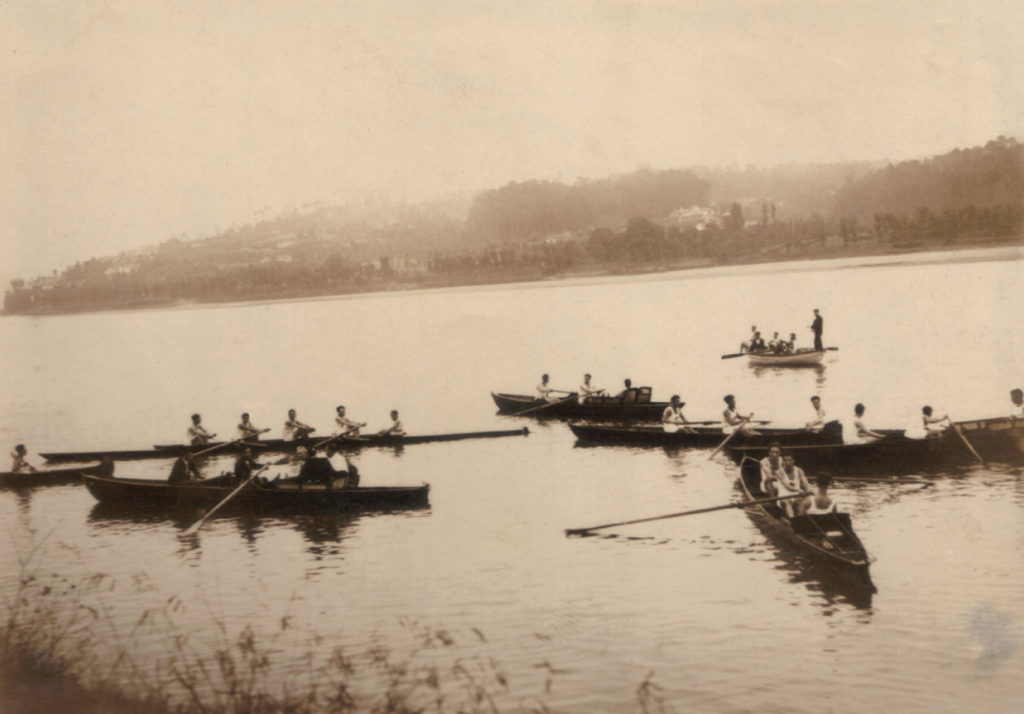
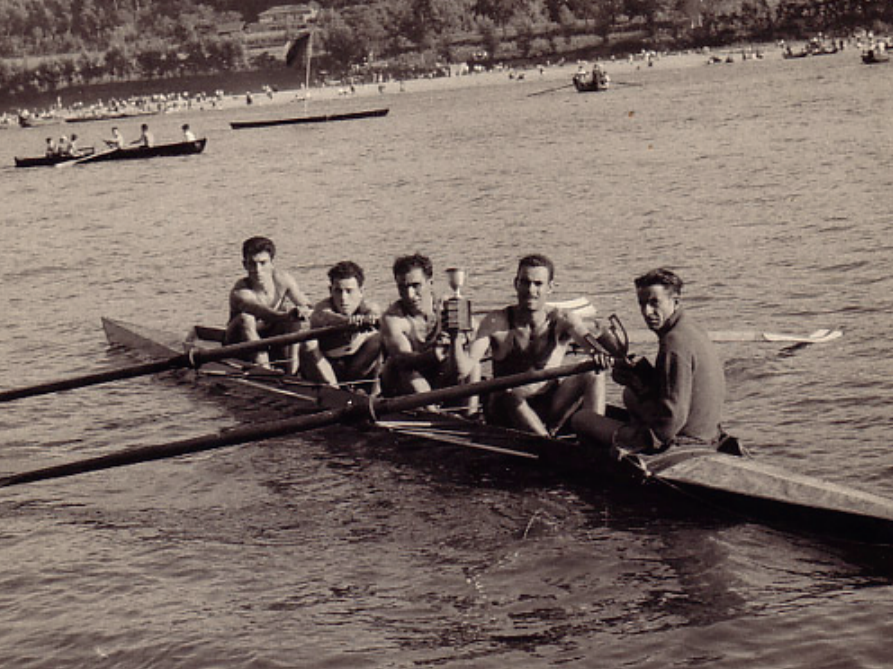
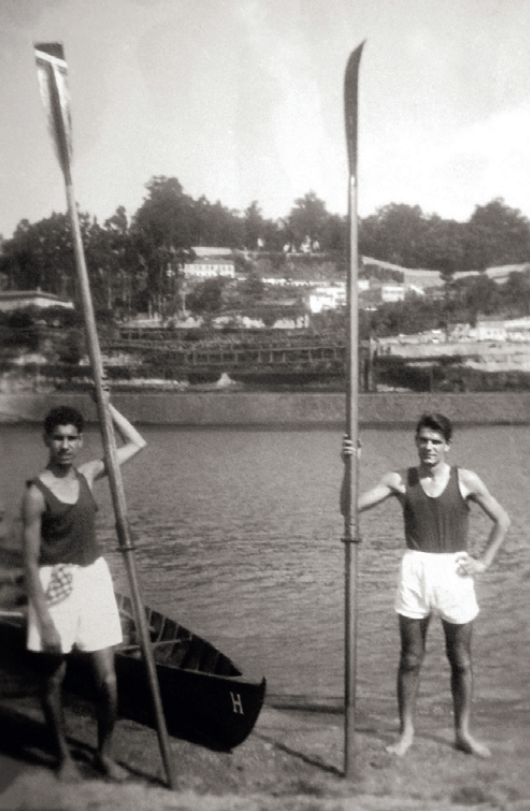
The consolidation of the project also brought institutional development. In the early 1930s, the name “Escola Naval” (Naval School) gradually began to give way to “Clube Naval” (Naval Club), reflecting a more established identity and a more stable structure. At the same time, concerns grew around securing permanent premises, space for boats, better training conditions, and competitive recognition. INFANTE was no longer merely a local promise, but was becoming a club with sporting ambition and a vision for the future.
Throughout its history, the Club has hosted several sports, including swimming, water polo, basketball, sport fishing, and table tennis. Even so, it was rowing that ultimately prevailed and most clearly defined its path. From the 1960s onwards, INFANTE began to establish itself more consistently on the national stage, embarking on a journey of growing recognition, titles, and prestige.
3. A club dedicated to competition, hard work and overcoming challenges
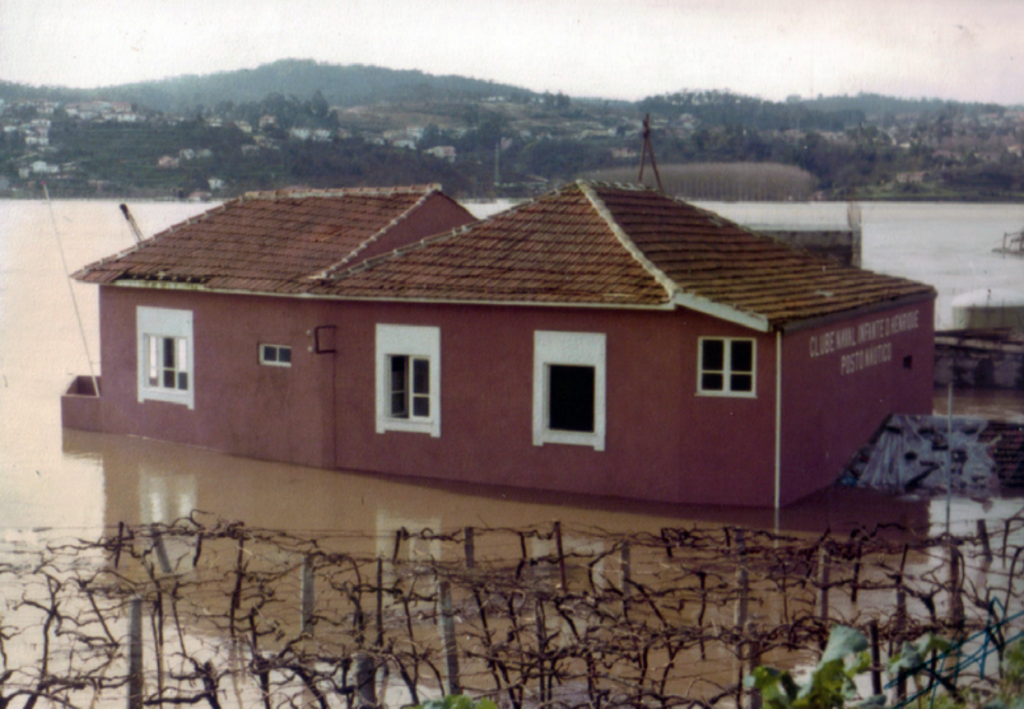
INFANTE’s sporting history was built step by step, often in difficult conditions, but always with an extraordinary capacity to overcome challenges. For decades, the club operated between modest boathouses, river stations exposed to the flooding of the Douro, and material limitations that demanded ingenuity, dedication, and a spirit of sacrifice. Even so, it was from this context that one of the great powers of Portuguese rowing emerged. The victory in its first Senior National Long Distance Championship symbolically marked this step up to a new competitive level, paving the way for decades of sustained growth.
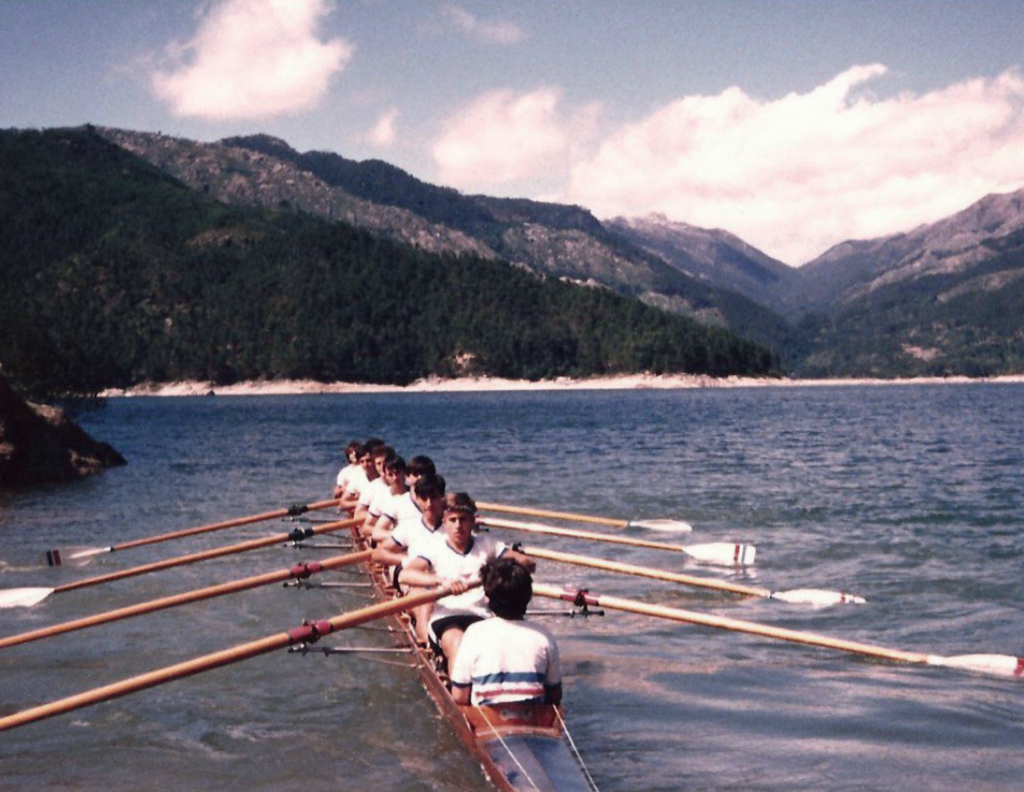
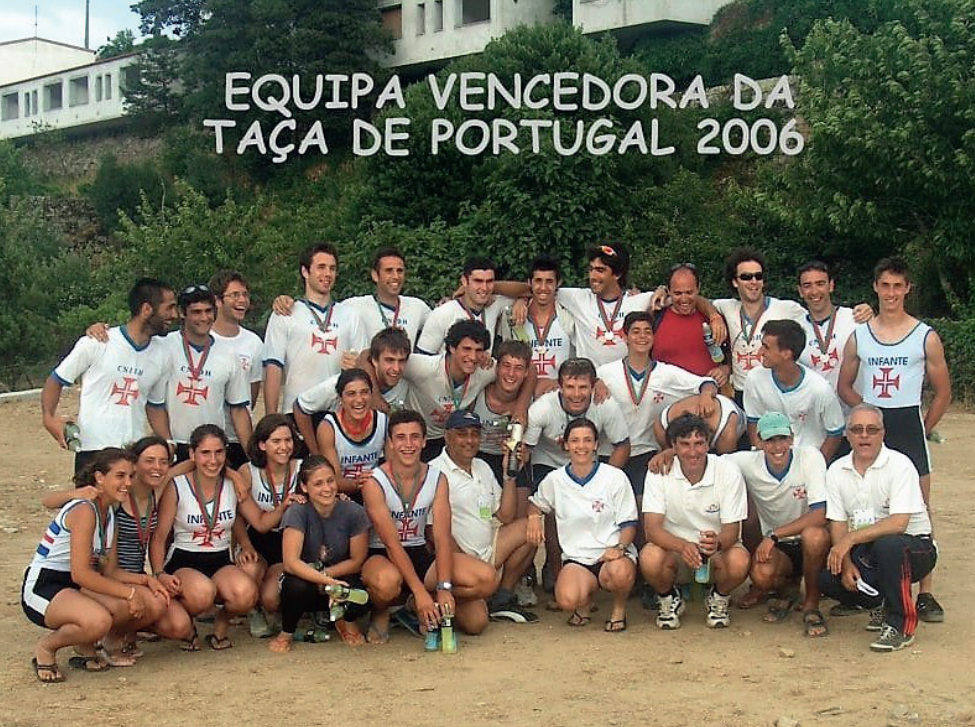
This growth became particularly visible from the 1970s onwards and was consolidated in the decades that followed. The club went on to accumulate national titles, victories in major regattas, and a strong presence across several categories. In 2013, INFANTE was crowned National Club Champion for the third consecutive year, with outstanding results in both the men’s and women’s categories. In the 2024/25 season, it secured its 14th national title, won the Overall National Ranking, the National Indoor Rowing Ranking, the National Junior Rowing Ranking, and the National Para-Rowing Ranking, confirming its position at the top of Portuguese rowing.
4. A Pioneers Club: in Women’s Rowing and Adaptive Rowing
Reducing INFANTE to a list of achievements would always be unfair. The Club has been, and continues to be, a true school of life, where sport is closely linked to discipline, teamwork, resilience, a sense of belonging, and personal development. Across generations, many young people have found there not only a place to train, but also a home, a support network, and a place for human growth. This community dimension is one of the strongest hallmarks of INFANTE’s identity. disciplina, ao trabalho em equipa, à resiliência, ao sentido de pertença e à formação de pessoas. Ao longo de gerações, muitos jovens encontraram ali não apenas um espaço para treinar, mas uma casa, uma rede de apoio e um lugar de crescimento humano. Essa dimensão comunitária é uma das marcas mais fortes da identidade henriquina.
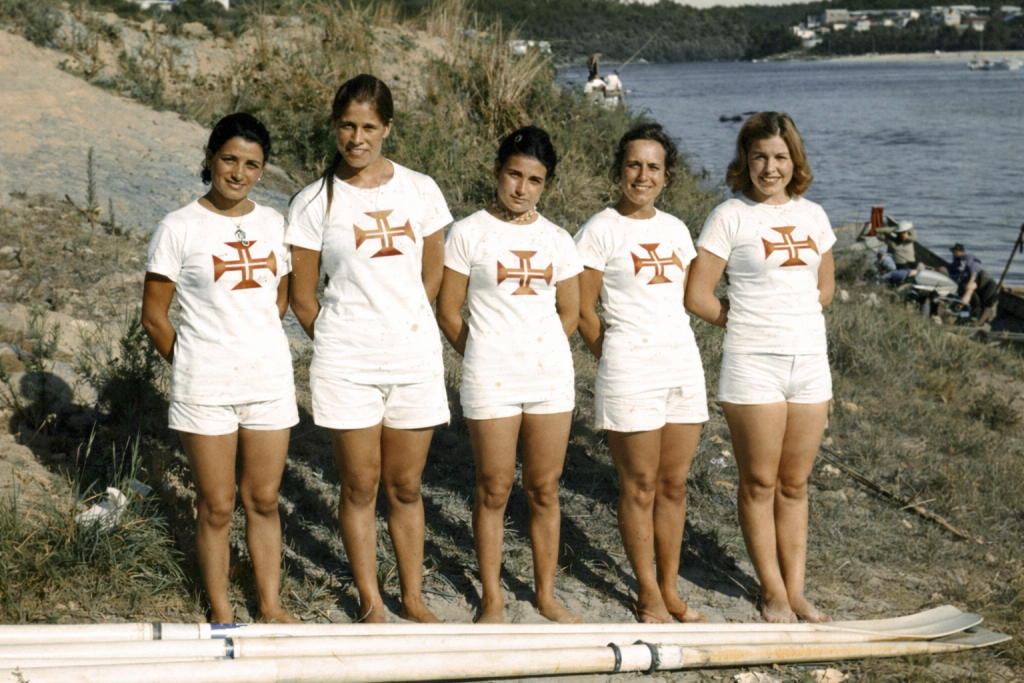
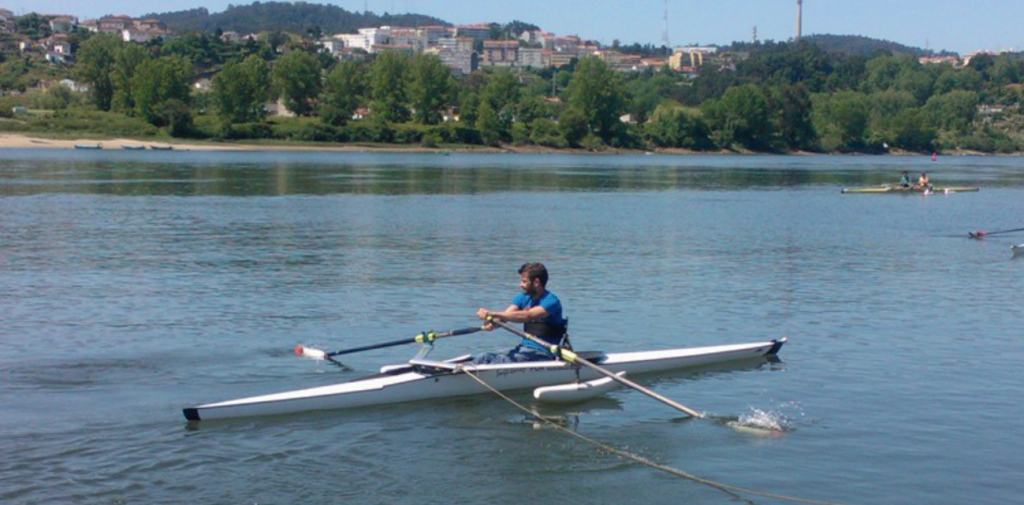
INFANTE also stood out for its pioneering role in women’s rowing and adaptive sport. In 1971, its women’s crew became regional and national champions in the coxed four, at a time when women’s rowing was still taking important steps forward in Portugal. Shortly afterwards, athletes from the club represented the country with distinction in Cognac, France, contributing to the international recognition of Portuguese women’s rowing. remo feminino ainda dava passos importantes em Portugal. Pouco depois, atletas do clube representaram com honra o país em Cognac, em França, contribuindo para a projeção internacional do remo feminino português.
In 1994, an agreement with the Areosa Rehabilitation Centre paved the way for the practice of adaptive rowing (para-rowing) at the Club, with the regular use of its facilities by people with disabilities and the creation of concrete conditions for a more inclusive practice. prática de remo adaptado (pararremo) no Clube, com utilização regular das instalações por pessoas com deficiência e criação de condições concretas para uma prática mais inclusiva.
5. From makeshift facilities to a centre of excellence
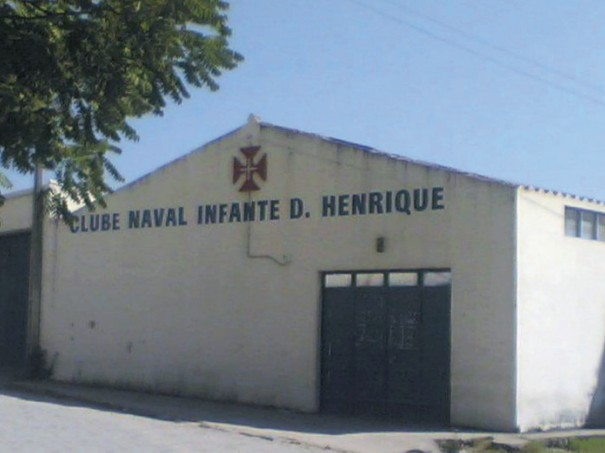
INFANTE’s evolution can also be told through its facilities. From garages, warehouses, and improvised structures, the Club gradually built better conditions over the decades to accommodate athletes, boats, and regular activity. In 1960, it inaugurated its social headquarters in the centre of Valbom. After the 1962 floods, new solutions emerged for the boathouse, with particular note of the generosity of Rosa Branca Moutinho, who donated land for the expansion of the facilities. In 1986, a second boathouse was inaugurated, strengthening the Club’s operational capacity.
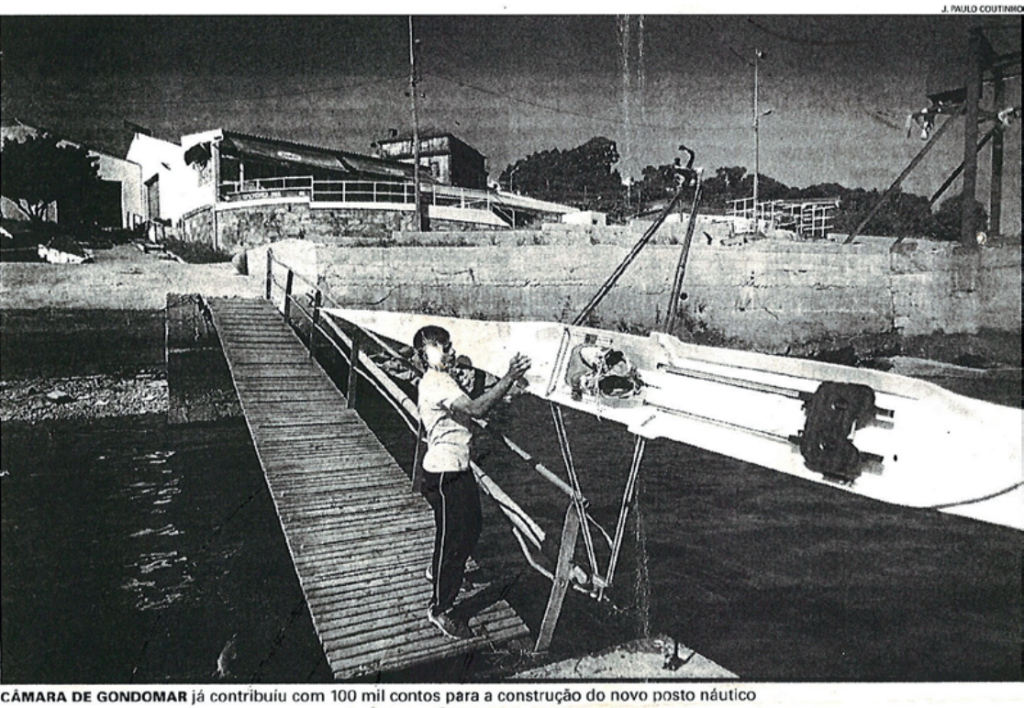
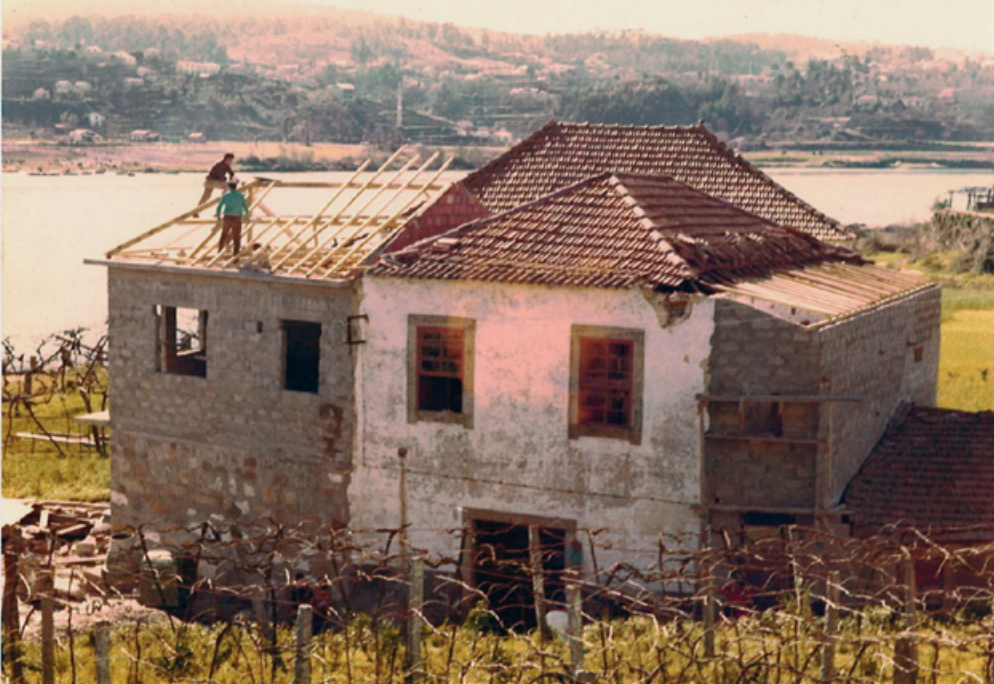
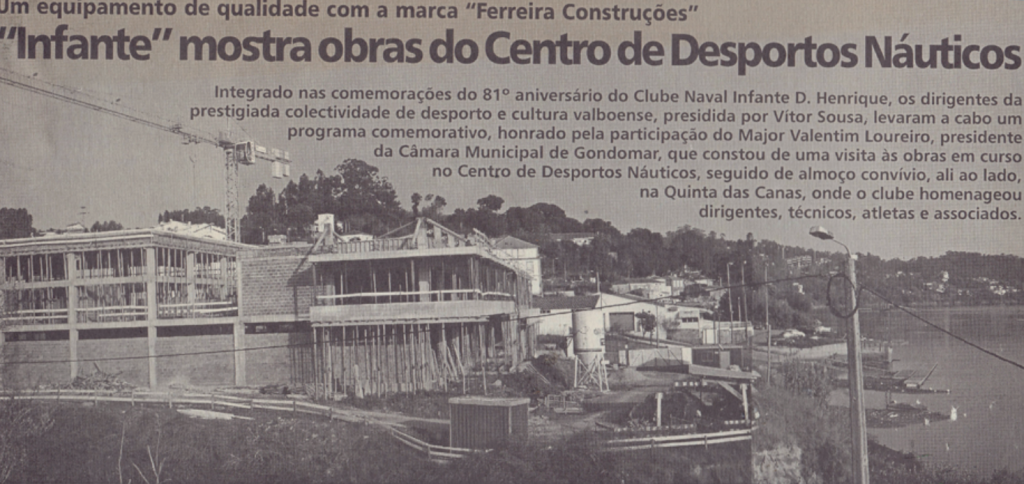
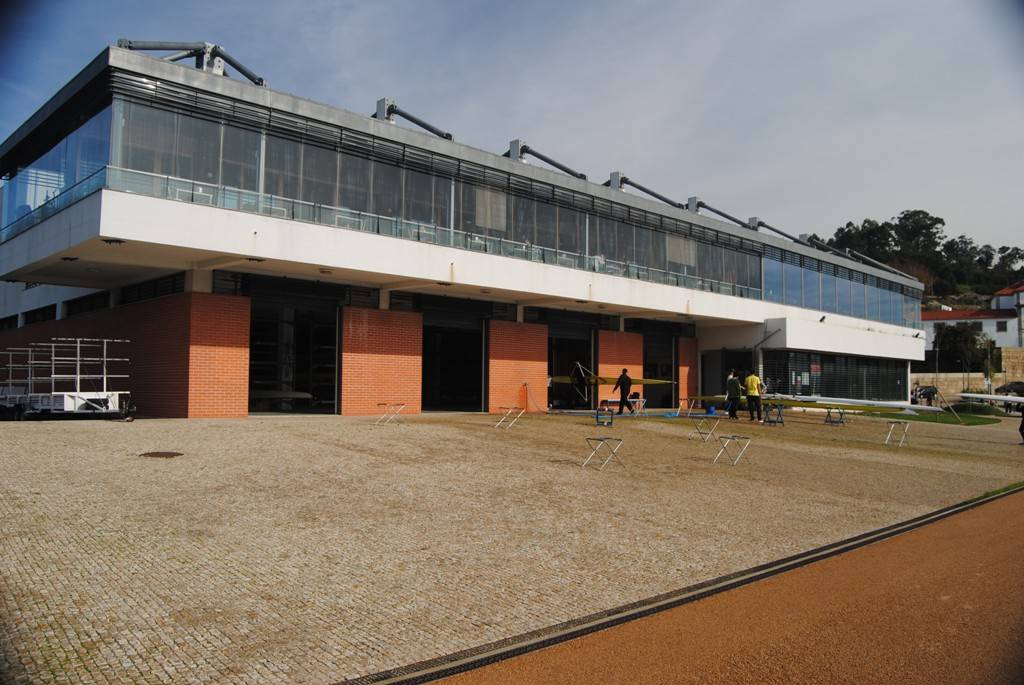
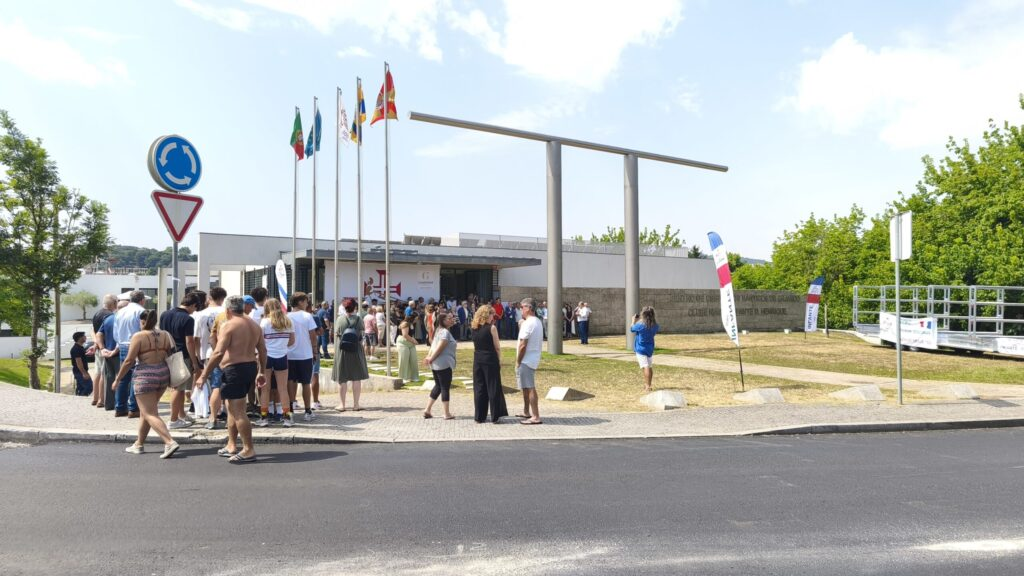
The major leap came in the 21st century. Within the framework of the Polis Programme and the waterfront redevelopment of Gramido, the former boathouse and hangars gave way to the new Nautical Sports Centre, inaugurated in 2009. The facility came to include a boathouse, gym, rowing tanks, changing rooms, social spaces, and better support conditions for sporting activity. The new facilities made a decisive contribution to the club’s growth and to its greater public visibility, consolidating INFANTE as a national reference not only for its results, but also for the quality of its working conditions.
6. A century on, INFANTE continues to row ahead
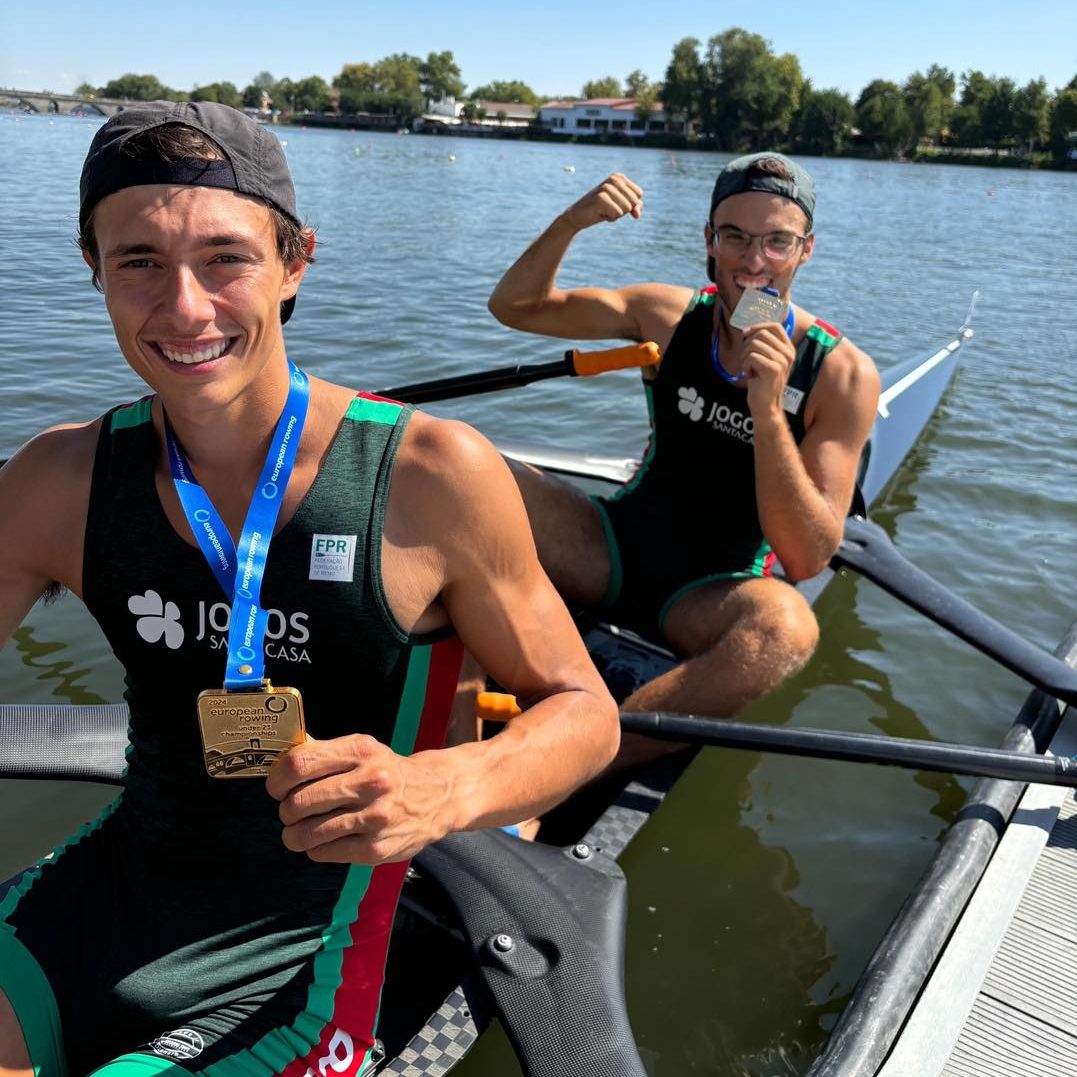
Reaching 100 years of age with vitality, prestige, and ambition is no coincidence. It is the result of generations of athletes, coaches, directors, staff, members, families, and supporters who made INFANTE far more than a sports club. They made it an institution with memory, identity, and a future. A club capable of honouring tradition while also renewing itself; of cultivating competitive excellence without giving up its educational and social mission; of looking to the Douro as its origin, but also as its horizon.
To be INFANTE is, ultimately, exactly that: to belong to a centenary history of hard work, courage, and vision. A history made of strokes, challenges overcome, titles won, and, above all, people. A history that began in 1925, in Valbom, and that continues today with the same determination to do things well: o Talant de Bien Faire.